We Use CookiesWe use cookies to enhance the security, performance, functionality and for analytical and promotional activities. By continuing to browse this site you are agreeing to our privacy policy

10 Best Fall Lawn Fertilizers 2026 in the United States
How do we rank products for you?

Our technology thoroughly searches through the online shopping world, reviewing hundreds of sites. We then process and analyze this information, updating in real-time to bring you the latest top-rated products. This way, you always get the best and most current options available.

headphones-stars

Our Top Picks

#1

Winner

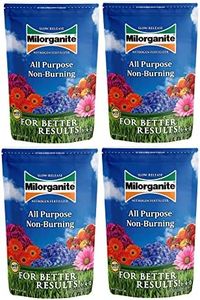
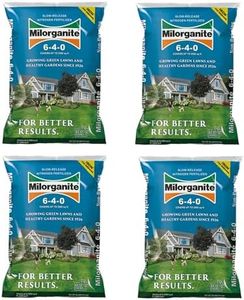
Milorganite All-Purpose Eco-Friendly Slow-Release Nitrogen 6-4-0 Fertilizer, 32 Pound Bag (Pack of 4) - for Lawns, Flowers, Gardens

Rating
10.0
Chosen by1,118
Organic vs. Synthetic
N-P-K Ratio
Application Method

Most important from
292 reviews

Organic vs. Synthetic
Delivers a healthy, vibrant green lawn without any harsh chemicals.
N-P-K Ratio
Works effectively as a grass food, promoting consistent growth and color.
Application Method
Some find it a bit pricey and wish it could be applied more frequently.

Milorganite All-Purpose Fertilizer is a slow-release, organic option with an N-P-K ratio of 6-4-0, providing a moderate amount of nitrogen, some phosphorus, and no potassium. It promotes steady, long-lasting green growth in lawns without the risk of burning plants, which can happen with high-salt synthetic fertilizers. The nutrients feed your lawn and garden gradually over 8-10 weeks, so watering in after application is not necessary, saving time and effort. A 32-pound bag covers about 2,500 square feet, suitable for average-sized yards.

A standout feature is its iron content, which enhances grass color without staining concrete or other surfaces, a common issue with some other iron fertilizers. Its organic nature makes it safe for various plants, including lawns, flowers, shrubs, trees, and vegetable gardens, supporting strong root growth and overall plant health. However, since it does not include potassium, an essential nutrient, supplementation may be needed if your soil lacks potassium. Additionally, as an organic product made from treated microbes, its nitrogen percentage is lower than many synthetic fertilizers, which might result in slower initial greening.

For those seeking quick results or fertilizers with higher nutrient levels that cover larger areas, this product might not be ideal. Nevertheless, Milorganite is a solid choice for eco-friendly, gentle fertilization that supports sustainable lawn care without the risk of chemical burns or staining.

Rating
10.0
Chosen by1,118
Organic vs. Synthetic
N-P-K Ratio
Application Method

Most important from
292 reviews

Organic vs. Synthetic
Delivers a healthy, vibrant green lawn without any harsh chemicals.
N-P-K Ratio
Works effectively as a grass food, promoting consistent growth and color.
Application Method
Some find it a bit pricey and wish it could be applied more frequently.
#2

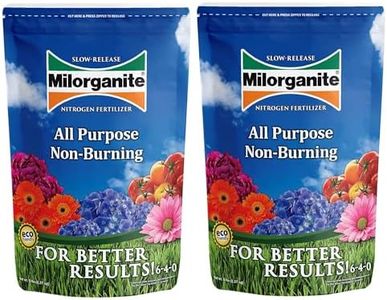
Milorganite All-Purpose Eco-Friendly Slow-Release Nitrogen 6-4-0 Fertilizer, 5 Pound Bag (Pack of 4) - for Lawns, Flowers and Gardens

Rating
9.7
Slow-Release vs. Quick-Release
Organic vs. Synthetic

Most important from
1412 reviews

Slow-Release vs. Quick-Release
The slow-release formula provides steady feeding, reducing the risk of burning while enhancing lawn color safely.
Organic vs. Synthetic
It’s an excellent all-natural option that supports healthy lawn and garden development without harmful chemicals.

Milorganite All-Purpose fertilizer is a slow-release, organic option with an N-P-K ratio of 6-4-0, meaning it provides moderate nitrogen and phosphorus but no potassium. This balance supports lawn greening and root growth well in fall applications. Its slow-release formula feeds your lawn and garden for 8 to 10 weeks, reducing the risk of burning plants—a common concern in fertilizers—because it contains almost no salts. It’s especially good if you want to avoid streaks or stains and need iron to enhance your lawn’s color without damaging concrete or sidewalks.

The granular form is easy to spread and covers about 390 square feet per 5-pound bag, making it manageable for small to medium yards. Being organic, it’s safe for flowers, shrubs, trees, and even vegetable gardens, making it a versatile choice beyond just lawns. One limitation is the lower potassium content, which might be less ideal if your soil test shows a need for more potassium. Also, it’s not available in a few states like Maine and Connecticut.

If you prefer organic, slow-release fertilizers that are safe and easy to use for fall lawn care and general garden health, Milorganite is a solid pick.

Rating
9.7
Slow-Release vs. Quick-Release
Organic vs. Synthetic

Most important from
1412 reviews

Slow-Release vs. Quick-Release
The slow-release formula provides steady feeding, reducing the risk of burning while enhancing lawn color safely.
Organic vs. Synthetic
It’s an excellent all-natural option that supports healthy lawn and garden development without harmful chemicals.
#3

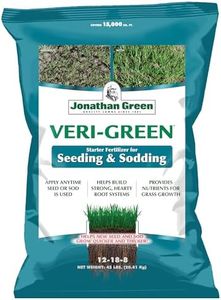
Jonathan Green (16008) Veri-Green Starter Fertilizer for Seeding & Sodding - 12-18-8 Starter Lawn Fertilizer (15,000 Sq. Ft.)

The Jonathan Green Veri-Green Starter Fertilizer is designed specifically for seeding and sodding, making it a great option for those looking to establish new grass in their lawns. The 12-18-8 N-P-K ratio indicates a high phosphorus content, which is essential for developing strong roots in new grass seedlings. This makes it particularly effective for those starting a lawn from seed or laying down sod, as it promotes deep and dense root growth.

Another advantage is the inclusion of humates, which enhance nutrient availability and help the grass absorb these nutrients more efficiently, feeding your lawn for up to 2 months. The fertilizer is easy to apply with various spreaders, and a single 45 lb bag can cover a sizable area of up to 15,000 sq. ft., making it cost-effective for larger lawns.

A consideration is that it is a granular fertilizer, so it should be applied carefully to ensure even coverage and to avoid over-fertilizing any one spot. The product's large bag size (45 pounds) can be heavy and cumbersome to handle for some users. The Jonathan Green Veri-Green Starter Fertilizer is well-suited for homeowners looking to establish a new lawn in the fall or spring, but those with smaller lawns may want to look elsewhere.

Buying Guide for the Best Fall Lawn Fertilizers

Choosing the right fall lawn fertilizer is crucial for maintaining a healthy and vibrant lawn. Fall is a critical time for lawn care because it helps prepare your grass for the winter months and ensures it comes back strong in the spring. When selecting a fall lawn fertilizer, it's important to understand the key specifications and how they impact your lawn's health. Here are the main factors to consider when choosing a fall lawn fertilizer.
N-P-K RatioThe N-P-K ratio represents the percentages of nitrogen (N), phosphorus (P), and potassium (K) in the fertilizer. Nitrogen promotes leaf growth, phosphorus supports root development, and potassium enhances overall plant health and disease resistance. For fall fertilizers, a higher potassium content is often recommended to strengthen the grass for winter. Look for ratios like 10-0-20 or 15-0-15. If your lawn needs more root development, a balanced ratio like 10-10-10 can be beneficial. Choose a ratio based on your lawn's specific needs and soil test results.
Slow-Release vs. Quick-ReleaseSlow-release fertilizers gradually release nutrients over time, providing a steady supply to the grass. This helps avoid nutrient burn and reduces the frequency of applications. Quick-release fertilizers provide an immediate nutrient boost but may require more frequent applications. For fall, slow-release fertilizers are generally preferred as they provide consistent nourishment throughout the season. However, if your lawn needs an immediate boost, a quick-release option might be suitable. Consider your lawn's current condition and maintenance schedule when deciding between the two.
Organic vs. SyntheticOrganic fertilizers are made from natural materials and are environmentally friendly. They improve soil structure and microbial activity, which can enhance long-term lawn health. Synthetic fertilizers are chemically manufactured and provide precise nutrient ratios. They often work faster but may not improve soil health in the long run. If you prefer a more sustainable approach and are willing to wait for gradual results, organic fertilizers are a good choice. If you need quick results and precise nutrient control, synthetic fertilizers might be more appropriate. Your preference for environmental impact and lawn care philosophy will guide this choice.
Application MethodFertilizers can be applied using various methods, including granular, liquid, and spike forms. Granular fertilizers are easy to spread and provide a slow, steady release of nutrients. Liquid fertilizers are quickly absorbed and can be applied with a sprayer, offering immediate results. Spike fertilizers are inserted into the soil and release nutrients directly to the roots. For fall, granular fertilizers are often preferred for their ease of use and consistent nutrient release. However, if you need a quick nutrient boost, liquid fertilizers can be effective. Choose the application method that fits your lawn care routine and equipment availability.
Coverage AreaThe coverage area indicates how much lawn a specific amount of fertilizer can treat. This is usually measured in square feet or square meters. It's important to know the size of your lawn to ensure you purchase enough fertilizer to cover the entire area. Over-application can harm your lawn, while under-application may not provide the desired results. Measure your lawn accurately and choose a fertilizer that matches your coverage needs. This will help you apply the right amount and achieve optimal results.

FAQ