We Use CookiesWe use cookies to enhance the security, performance, functionality and for analytical and promotional activities. By continuing to browse this site you are agreeing to our privacy policy

10 Best Well Water Purification Systems 2026 in the United States
How do we rank products for you?

Our technology thoroughly searches through the online shopping world, reviewing hundreds of sites. We then process and analyze this information, updating in real-time to bring you the latest top-rated products. This way, you always get the best and most current options available.

headphones-stars

Our Top Picks

#1

Winner

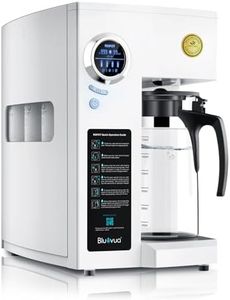
Bluevua RO100ROPOT-UV Reverse Osmosis System Countertop Water Filter - 6 Stage Purification with UV and Remineralization, Counter RO Filtration, Portable Water Purifier

Rating
10.0
Chosen by1,334
Contaminant Removal
Maintenance Requirements
Certification and Testing

Most important from
1314 reviews

Contaminant Removal
It effectively removes contaminants like chlorine, fluoride, iron, copper, and lead, greatly improving the taste and odor of tap water.
Maintenance Requirements
Changing the filters is straightforward with clear instructions, and they last over a year.
Certification and Testing
Customer support is excellent, providing prompt responses and thorough testing results and certifications.

The Bluevua RO100ROPOT-UV Reverse Osmosis System is a solid choice for those seeking a countertop water purification solution. Its standout feature is the advanced 6-stage filtration system that includes a UV light and a remineralization filter. This combination effectively removes a wide range of contaminants, making it suitable for families concerned about water quality. The system’s certification by WQA against NSF/ANSI/CAN 372 for lead-free operation adds an extra layer of confidence in its safety and effectiveness.

One of the main advantages is its user-friendly design; no plumbing is required, and you can easily set it up at home without any hassle. The use of a high-quality borosilicate glass carafe instead of plastic reduces potential secondary pollution and is a healthier option. The power-saving feature is another plus, as it helps reduce electricity costs by automatically entering standby mode when not in use.

There are a few considerations to keep in mind. The maximum flow rate of 0.26 liters per minute may be slower than some users expect, especially if you're looking to fill larger containers quickly. While the filter life monitoring is a helpful feature, some might find the need for filter replacements every 12-24 months slightly inconvenient. In terms of sustainability, the Bluevua system shines with its ClimatePartner Certification, promoting a reduction in plastic waste by providing bottled-quality water at home. Despite its bulkier design, weighing 23.2 pounds, which may limit portability, it still maintains a strong standing as a reliable countertop option for clean drinking water. This product is ideal for households looking to enhance their drinking water quality while prioritizing ease of use and minimal maintenance.

Rating
10.0
Chosen by1,334
Contaminant Removal
Maintenance Requirements
Certification and Testing

Most important from
1314 reviews

Contaminant Removal
It effectively removes contaminants like chlorine, fluoride, iron, copper, and lead, greatly improving the taste and odor of tap water.
Maintenance Requirements
Changing the filters is straightforward with clear instructions, and they last over a year.
Certification and Testing
Customer support is excellent, providing prompt responses and thorough testing results and certifications.
#2

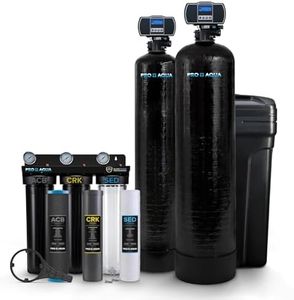
Aquasana Whole House Well Water Filter | 500,000 Gallons | UV, Carbon & KDF | Salt-Free Softener Alternative | Tackles up to 99.99% Chlorine, Bacteria, Viruses, Cysts & Scale | Rhino WH-WELL-CT-UV

Rating
9.1
Contaminant Removal
System Type

Most important from
5 reviews

Contaminant Removal
Fits well with existing setups and delivers clear water, indicating compatibility and effectiveness.
System Type
The system is praised for providing filtered water throughout the entire house, making it convenient for all uses.

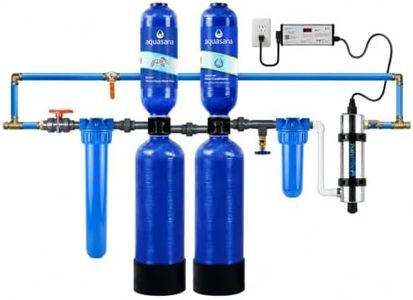
The Aquasana Whole House Well Water Filter System is a solid choice for households relying on well water. One of its standout features is its impressive contaminant removal capability, effectively filtering out 99.99% of bacteria, viruses, and 99% of cysts, all while catering to a large volume of 500,000 gallons over five years. This makes it ideal for families needing reliable water for drinking, cooking, and bathing.

In terms of flow rate, it can handle up to 14.6 gallons per minute, ensuring consistent water pressure throughout your home, which is a significant plus. The system is designed with convenience in mind, featuring an easy filter replacement process that allows for quick changes every two months, minimizing hassle.

Another benefit is the salt-free scale prevention feature, which helps maintain plumbing and appliances without the need for additional upkeep associated with traditional water softeners. This is an appealing attribute for those looking to avoid salt and chemicals.

Rating
9.1
Contaminant Removal
System Type

Most important from
5 reviews

Contaminant Removal
Fits well with existing setups and delivers clear water, indicating compatibility and effectiveness.
System Type
The system is praised for providing filtered water throughout the entire house, making it convenient for all uses.
#3

Aquasana Whole House Well Water Filter | 500K Gallons | UV, Carbon & KDF | Salt-Free Softener Alternative | Install Kit | Tackles up to 99.99% Chlorine, Bacteria, Viruses & Scale | EQ-WELL-UV-PRO-AST

Rating
7.9
Contaminant Removal
Flow Rate
Maintenance Requirements

Most important from
196 reviews

Contaminant Removal
The water feels incredibly soft and clean, making a noticeable difference in clothes, hair, and skin.
Flow Rate
The system maintains strong water pressure while delivering clean, softened water throughout the house.
Maintenance Requirements
Installation went smoothly when following instructions carefully, though additional plumbing parts and tools were necessary.

The Aquasana Whole House Well Water Filter is designed specifically for well water users looking for cleaner, healthier water throughout their home. It uses a multi-stage filtration system combining carbon, KDF, UV light, and a salt-free scale control media, which effectively targets up to 99.99% of chlorine, bacteria, viruses, and scale buildup without removing healthy minerals. This is great if you want to avoid harsh chemicals or salt-based softeners. The system supports a strong flow rate of up to 14.7 gallons per minute, suitable for average-sized households with four or more people. It’s optimized for well water with moderate hardness (under 15 grains per gallon) and low iron content, so if your water is very hard or heavily iron-contaminated, this might not be the best fit.

Installation is at the main water line entry, and while the unit is quite large and heavy (116 pounds), it comes with an install kit that includes durable brass parts. Maintenance-wise, it boasts a long filter life of up to 500,000 gallons or about five years, which means fewer filter changes and lower ongoing costs compared to many other options. The salt-free scale control also means you won’t need salt bags, backwashing, or electricity beyond powering the UV component, simplifying upkeep.

The system requires a power source for the UV purifier and has a minimum operating temperature of 40°F, so it needs to be installed indoors or in a temperature-controlled environment. If you want a comprehensive, low-maintenance whole house solution that improves water quality naturally and helps protect your plumbing, this system is a strong contender, especially for moderately hard well water.

Rating
7.9
Contaminant Removal
Flow Rate
Maintenance Requirements

Most important from
196 reviews

Contaminant Removal
The water feels incredibly soft and clean, making a noticeable difference in clothes, hair, and skin.
Flow Rate
The system maintains strong water pressure while delivering clean, softened water throughout the house.
Maintenance Requirements
Installation went smoothly when following instructions carefully, though additional plumbing parts and tools were necessary.

Buying Guide for the Best Well Water Purification Systems

Choosing the right well water purification system is crucial for ensuring that the water you and your family consume is safe and clean. Well water can contain various contaminants, including bacteria, viruses, heavy metals, and chemicals, so it's important to select a system that effectively addresses your specific water quality issues. Here are some key specifications to consider when choosing a well water purification system, along with explanations to help you make an informed decision.
Contaminant RemovalThis specification indicates the types of contaminants the purification system can remove from your well water. It's important because different systems are designed to target specific contaminants such as bacteria, viruses, heavy metals, or chemicals. To navigate this spec, you should first test your well water to identify the contaminants present. If your water has high levels of bacteria, look for a system with strong bacterial removal capabilities. If heavy metals are a concern, choose a system that effectively filters out metals like lead and arsenic. Your specific water quality issues will guide you in selecting the right system.
Flow RateFlow rate measures how much water the system can purify in a given time, usually expressed in gallons per minute (GPM). This is important because it affects how quickly you can get clean water. For a small household, a lower flow rate might be sufficient, while larger households or those with higher water usage will need a system with a higher flow rate. To pick the right flow rate, consider your household size and daily water consumption. If you have a large family or use a lot of water for activities like gardening or washing, opt for a higher flow rate to ensure you have enough purified water available.
System TypeThere are various types of well water purification systems, including whole-house systems, under-sink filters, and point-of-use systems. This spec is important because it determines how and where the water is purified. Whole-house systems treat all the water entering your home, providing comprehensive protection. Under-sink filters are installed at specific points, like the kitchen sink, and are ideal for drinking and cooking water. Point-of-use systems, such as countertop filters, are portable and treat water at the point of consumption. Choose the system type based on your needs: if you want all your water purified, go for a whole-house system; if you only need drinking water purified, an under-sink or point-of-use system might be sufficient.
Maintenance RequirementsThis specification refers to how often the system needs to be serviced or have its filters replaced. It's important because regular maintenance ensures the system continues to function effectively. Systems with low maintenance requirements are more convenient but might come with higher upfront costs. To navigate this spec, consider how much time and effort you're willing to invest in maintaining the system. If you prefer a low-maintenance option, look for systems with long-lasting filters or automatic cleaning features. If you're comfortable with more frequent maintenance, you might opt for a system with replaceable filters that need changing every few months.
Certification and TestingCertifications from organizations like NSF International or the Water Quality Association indicate that the system has been tested and meets specific standards for contaminant removal and performance. This is important because it provides assurance that the system will effectively purify your water. To navigate this spec, look for systems with certifications relevant to the contaminants in your well water. For example, if you're concerned about lead, ensure the system is certified for lead removal. Choosing a certified system helps ensure you're getting a reliable and effective product.

FAQ